Precision agriculture, or "smart farming," is changing how we farm by using advanced technology. This new way of farming has worked great in developed countries, where they have the tech and farmers are willing to embrace it. But bringing smart farming to developing countries is a different story, with its own unique challenges and chances.
Big regions like Africa, China, and India have unique situations that can either slow down or speed up how fast they adopt these new farming methods. In this blog, we'll dive into how precision agriculture is being used in these important developing areas. We'll also look at the common opportunities and obstacles they face.
Fast Facts
Precision agriculture is like giving farmers a high-tech helper. It uses tools such as GPS, drones, and soil sensors to grow crops much more efficiently. Instead of treating a whole field the same, it looks at small areas to give plants exactly what they need—like water, fertilizer, or pest control. This smart way of farming helps farmers save resources, grow more food, and protect the environment by cutting down on waste.
These technologies also make farming greener and cheaper. For instance, autosteer tech frees up farmers' hands, letting them focus on important tasks instead of constantly steering. Sensors can spot dry soil so farmers only water where needed, saving water and money. Drones or satellites can find sick plants early, letting farmers fix problems before they spread, which means fewer chemicals and healthier crops. Over time, this saves money and boosts harvests, making farms more profitable for the farmers and better for the planet.
 FJD autosteering system enables precision farming
Around the world, more countries are starting to use these tools to feed our growing population. While some places still need better access to technology, new advancements like robots promise even smarter farming in the future. By combining data and new ideas, precision agriculture helps farmers grow more food on the same land—a crucial step in fighting hunger and protecting our planet.
Current Status
As the world's populations grow rapidly—especially in Africa, which will house 25% of the world by 2050, according to the United Nations—traditional farming struggles to meet food demands. Climate change worsens droughts and floods, while small, fragmented farms limit large-scale production.
Precision agriculture tackles these challenges by using technology to apply water, fertilizer, and pesticides exactly where needed, boosting harvests while cutting waste. Real-time weather data also helps farmers adapt to sudden climate shifts, building resilience. However, adoption varies widely across regions. Let’s explore how three key areas are dealing with these challenges.
Africa: Transforming with Mobile Tech
Agriculture employs over 60% of Africa’s population, but many farmers rely on unpredictable rains and outdated tools, leading to low harvests. Mobile technology is changing this: Kenya's iCow sends SMS tips to dairy farmers, Nigeria's Farmcrowdy (the first digital agriculture platform in the country) links farmers with investors for funding, and Ethiopia uses satellite maps to detect crop diseases. These innovations help farmers work smarter, even with limited resources.
Despite these advances, Africa faces hurdles. Only 28% of rural areas have internet, cutting farmers off from online tools. High costs also block progress—a single soil sensor can cost more than a farmer earns in a year. Most farms are smaller than two soccer fields, making it hard to adopt large-scale tech or share equipment.
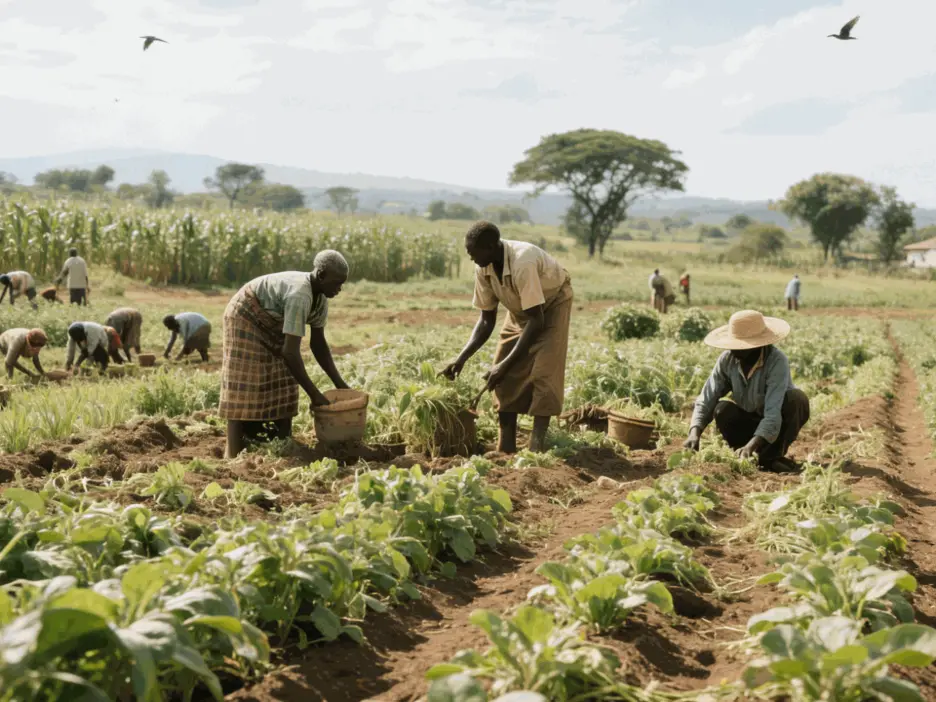 Agriculture in Kenya
Africa's 477 million mobile money users show the potential for tech to bypass traditional barriers. Partnerships like AGRA (Alliance for a Green Revolution in Africa) train farmers to use apps and drones, while solar-powered irrigation and drought-resistant seeds help adapt to climate threats. By focusing on affordable, mobile-first tools, Africa could turn its small farms into a global food powerhouse.
China: Scaling Tech with Government Backing
China uses just 7% of the world's farmland to feed 20% of its people, thanks to government-backed technology. Smart greenhouses in Shandong save half the water using intelligent systems, while companies like DJI provide agricultural drones to spray one-third of all farmland in China. E-commerce platforms like Pinduoduo also help farmers sell directly to buyers, cutting out middlemen and boosting profits.
Despite progress, challenges remain. Many farmers are over 50 and hesitant to adopt new tools. Wide-spread construction severely compacts soil, which reduces crop yield by more than 60 percent. In China, more than 2.47 million hectares of farmland – the size of the state of Vermont – have been reclaimed under the Dynamic Balance of Total Farmland Area policy. Others fear sharing data with tech companies, worrying about privacy risks. These issues slow down the full potential of high-tech farming.
China is pushing solutions like state-funded 5G networks and internet-connected sensors for rural areas. Cities like Beijing use vertical farms—growing crops indoors in skyscrapers—to save space and water. Through Belt and Road projects, China also shares its agri-tech with countries in Africa and Asia, turning local innovations into global tools for food security.
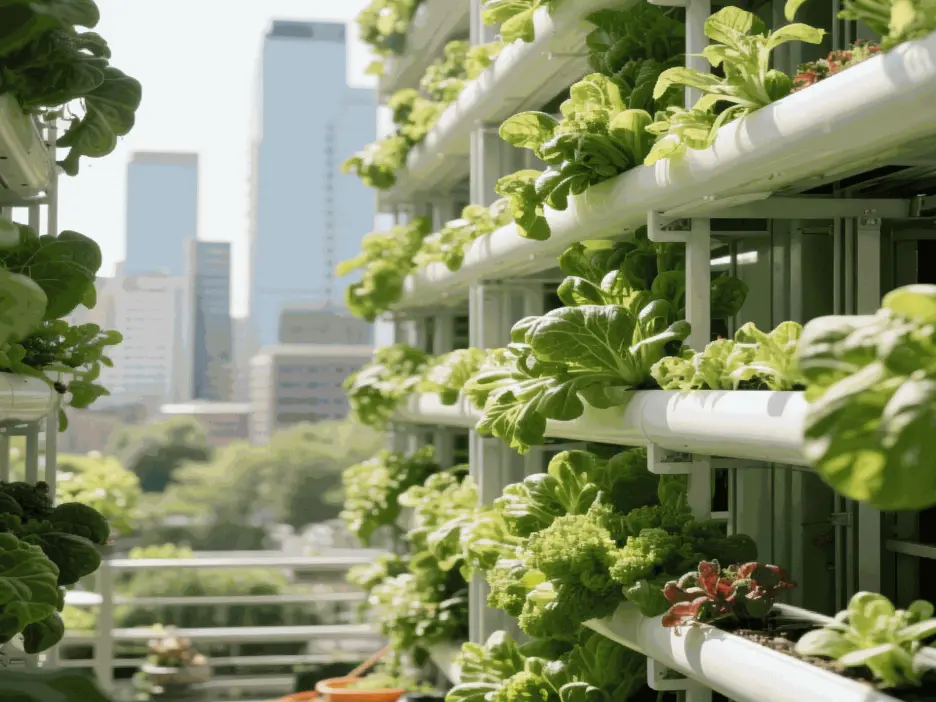 Vertical farms: growing vegetables indoors in skyscrapers
India: Bridging the Tech Divide
Agriculture employs nearly half of India's workforce but accounts for just 15% of GDP, but unpredictable rains and farmer debt pose big hurdles. To help, the government and startups are stepping in. The PM-KISAN program sends cash directly to farmers to buy tools like drones and sensors. Apps like CropIn use advanced algorithms to warn 7 million farmers about pests via SMS, while subsidized Kisan drones help map fields and spray crops efficiently.
Despite these efforts, challenges persist. Most farms are tiny—86% are smaller than two hectares—making it hard to adopt large-scale tech. Women, who do 60% of farm work, rarely get to use or own technology, limiting their productivity. Additionally, over half of rural farms face power cuts, disrupting irrigation and equipment.
Innovations are tackling these issues. Tata’s ₹1,500 soil sensor helps farmers test soil cheaply, boosting yields. Women-led farming groups are training female farmers to use tech, bridging the gender gap. In Bihar and Uttar Pradesh, solar-powered microgrids are providing reliable electricity for water pumps, reducing dependence on erratic grids. These steps are turning challenges into opportunities for a tech-powered farming future.
Common Challenges
Though the implementation of precision agriculture varies region by region, here are some common challenges of precision agriculture in these regions:
Limited access to technology: In many developing countries, farmers struggle to get their hands on modern farming tech. Tools like drones, sensors, and GPS systems are often too expensive. Also, they might not have good internet, which makes it hard to use smart, data-based farming methods.
Insufficient knowledge and training: Many farmers in developing countries might not have the training or education needed to use smart farming methods. This lack of knowledge often happens because there aren't enough farming support services, or because farmers simply don't know about the benefits and uses of modern technology in agriculture.
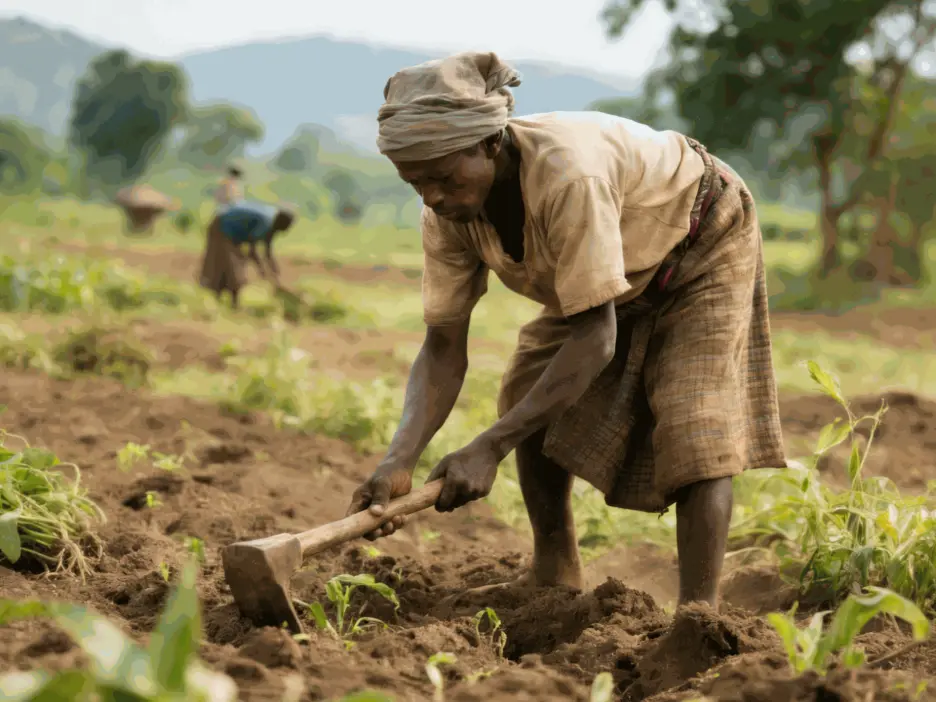
Resource constraints: Farmers often don't have enough money to buy the advanced tools needed for precision agriculture. Many small farmers barely make enough profit to get by, so they tend to spend on immediate needs instead of investing in technology for the future.
Data management issues: Precision agriculture relies heavily on data collection, analysis, and application. But in developing countries, farmers often struggle to manage and understand this farm data well. They might find it hard to use this information to make smart choices about things like planting, watering, fighting pests, and harvesting.
Vulnerability to climate change: Environmental challenges, like climate uncertainty, make things even harder for farmers. Developing countries often face extreme weather, droughts, and other climate issues. These problems complicate how precision agriculture is used and can make it less effective.
Shared Opportunities
Even though developing countries face many farming challenges, precision agriculture offers huge chances to grow more food, be more eco-friendly, and boost their economies. This smart way of farming uses technology and data to make farming better, and it has a lot of potential to change agriculture in these regions.
Improved sustainability: The shift towards precision agriculture presents an opportunity for developing countries to adopt more sustainable farming practices. By leveraging technology and data, farmers can optimize the use of resources, reduce waste, and minimize the environmental impact of their farming activities.
Enhanced productivity: Precision agriculture techniques can lead to improved crop yields and better overall productivity. By employing targeted interventions, farmers can address specific needs of crops, resulting in healthier plants, reduced input costs, and increased income.
Access to global markets: The adoption of precision agriculture can help farmers in developing countries meet the quality and quantity standards required for entry into global markets. With better management practices, farmers can produce more consistent and higher-quality products, giving them a competitive edge.
Collaboration and knowledge sharing: The challenges faced by farmers in developing countries can also lead to stronger networks of collaboration and knowledge sharing. By working together with local governments, NGOs, and agricultural technology providers, farmers can pool resources and share best practices, leading to innovative solutions that are perfect for their specific situations.
Adoption of mobile technologies: The widespread availability of mobile phones in developing countries presents an opportunity for the integration of precision agriculture through mobile applications. Farmers can access real-time information, market prices, weather forecasts, and expert advice, enabling them to make more informed decisions to improve their farming practices.
Cultivating a Tech-Driven Future
Precision agriculture is necessary for developing countries to thrive amid climate and population pressures. Africa’s mobile leapfrogging, China’s state-backed scaling, and India’s grassroots innovation show that progress is possible. By addressing infrastructure gaps, lowering costs, and prioritizing farmer training, these regions can turn challenges into opportunities, ensuring no one is left hungry in the digital age.
The future of farming isn't just about satellites and sensors—it's about empowering people. Contact FJDynamics today for a cost-effective precision agriculture solution that's tailored to your farming needs
Data Sources:
1. https://www.imf.org/en/Publications/fandd/issues/2023/09/PT-african-century
2. https://qiraatafrican.com/en/16105/the-mobile-money-boom-why-sub-saharan-africa-holds-the-crown/
3. https://cleantechnica.com/2025/04/25/third-of-chinas-farms-sprayed-by-drones-marking-agricultural-revolution/
4. https://www.newsecuritybeat.org/2019/05/reclaiming-chinas-worn-out-farmland-dont-treat-soil-dirt-2/
5. https://www.bbc.com/news/articles/c204q6n0lzvo
6. https://www.business-standard.com/industry/agriculture/women-constitute-64-4-of-india-s-agricultural-workforce-report-125032101044_1.html